
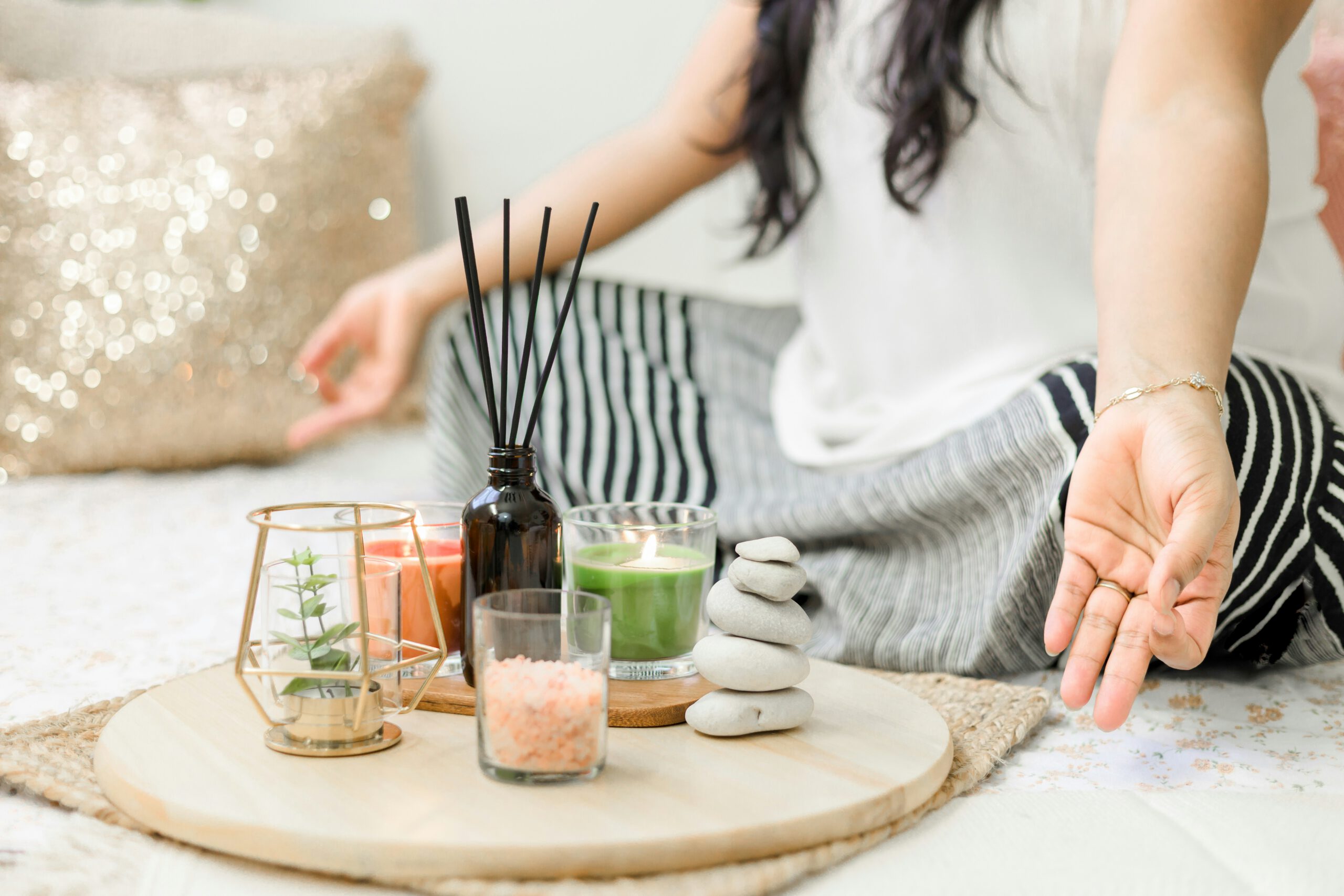
Slowmaxxing is the latest trend, but in reality, it’s simply a new name for slow living. The idea behind slowmaxxing is to intentionally slow down and create a calmer, more balanced lifestyle. By doing so, you can reduce stress, avoid burnout, and better regulate your nervous system.
These days, I see people constantly rushing from one place to another. They always seem to be in a hurry, even when they have plenty of time. I think this is a side effect of modern life. There are so many things we want to do, need to do, and feel pressured to do. It doesn’t help that our society places such a strong emphasis on productivity and achievement.
There’s nothing wrong with having a productive day. In fact, being productive can be satisfying and rewarding. The problem arises when productivity becomes the only goal and we never allow ourselves to slow down and enjoy the present moment. Constantly being “on” can leave us feeling exhausted, overwhelmed, and disconnected from what truly matters.
That’s where slowmaxxing comes in. It’s about being more intentional with your time, embracing a slower pace when possible, and making space for rest, reflection, and simple pleasures.
So today, I’m sharing 10 ways to SlowMaxx your life.
10 Ways to SlowMaxx Your Life
- Less screen time
I’m not sure if I’m the only one who feels this way, but I probably aren’t. When I start my day without any technology and take some time to care for myself or do something relaxing, I feel so much calmer. The more time I spend on my phone, the more anxious I feel. That’s why I’ve been trying to drastically reduce my screen time lately, and I honestly feel so much better because of it. There are multiple studies that show that spending too much time on social media can negatively impact your mental health. - Take your time
For everything you do, take your time. Life is not a race. Take your time with your household chores, your work, and even your meals. If you’re always in a hurry and rushing through everything, your body will likely feel like it’s constantly under pressure. But when you slow down, take a deep breath, and give yourself permission to move at a gentler pace, your body can relax as well.
When you’re constantly rushing around, your nervous system can interpret that as a sign that something is wrong or that you’re in danger. Slowing down sends the opposite message. It tells your body that you’re safe, allowing you to feel calmer, more present, and more at ease. - Cozy, relaxing evening routine
Set a specific time for yourself—maybe 7 or 8 p.m.—when you disconnect from everything, including work, social media, and screens. Instead, use that time to do something that genuinely relaxes you. Maybe you enjoy coloring, building with Lego, or reading a book. Or perhaps you love writing, whether it’s fiction or journaling about your day. Find what works best for you and make it part of your evening routine.
This habit can be especially beneficial at night because it gives your mind and body a chance to slow down before bed. When you reduce stimulation and allow yourself to unwind, your nervous system can relax, making it easier to fall asleep and improve the overall quality of your sleep. - Hobby time
Plan a day each week—or at least a few hours—for yourself and your hobbies. It doesn’t matter what your hobby is. Maybe you want to read for a few hours, go for a walk, play with your cat or dog, bullet journal, paint, or write. As long as you enjoy it, everything is fine. The point is to slow down and do something that makes you feel better.
You don’t have to be the next Van Gogh. It’s simply about having fun and giving yourself time to unwind. - Meditate & breathing exercises
Another great way is to sit down and basically do nothing. You can start meditating or doing some breathing exercises. When you do breathing exercises, make sure your exhale is longer than your inhale, and within minutes, you will start to feel different. I love doing breathing exercises when I notice a bit of stress in my body. - Walk (without your phone)
When was the last time you went for a walk? It’s nice to spend time in nature and simply walk for a while, with no other purpose than to relax and enjoy the present moment. Look around you—what do you see, hear, or smell? Even just 20–30 minutes can make a difference, because that’s when your brain releases feel-good hormones. Take your time and don’t rush. It’s not another task on your to-do list. - Do one thing at a time
Multitasking sounds productive, but it can actually be one of the reasons you feel stressed and overwhelmed. Switching constantly between tasks makes it harder for your brain to fully focus, which often leads to mistakes, mental fatigue, and a sense that you’re never really “done” with anything.
Instead, try focusing on just one task at a time. Give it your full attention, complete it, and then move on to the next thing. You may notice that you work more efficiently, feel calmer, and have a clearer sense of progress throughout your day. - Do nothing
When was the last time you did absolutely nothing? I’m talking about actually sitting down and just staring into space. I used to do this all the time as a kid when I was bored, but it’s actually really good for you. When you’re constantly busy or scrolling, your brain never gets the break it needs to fully reset and recover. Give your mind a moment to rest—just sit down and do nothing. Get bored! - Do less in a day
Look at your to-do list or your planner. Do you really need to do all of these things? Sometimes we plan so many tasks in a single day that we end up feeling stressed. And yes, of course, that’s sometimes just a part of life. But when possible, try to do less in a day. Ask yourself what is truly important. Do you really need to do all of these things, or not? - Get enough sleep
One thing I have noticed is that some people brag about only sleeping 5–6 hours a night. But I don’t think it’s a flex to barely get any sleep. If you wake up feeling tired, you’re more likely to feel anxious and stressed, and it becomes harder to relax. Your body and brain are basically in survival mode. So don’t go to bed too late—make sure you get enough sleep every single night. For me personally, when I get enough sleep, I have more energy, and I feel more positive and relaxed.
Photo by Shashi Chaturvedula on Unsplash